Anyone coming from the north drives through the San Bernardino tunnel and is suddenly somewhere else. The Moesa does not flow to the Rhine but to the Ticino and on into the Po. The villages are called Soazza, Lostallo, Grono, Roveredo. People greet you in Italian.
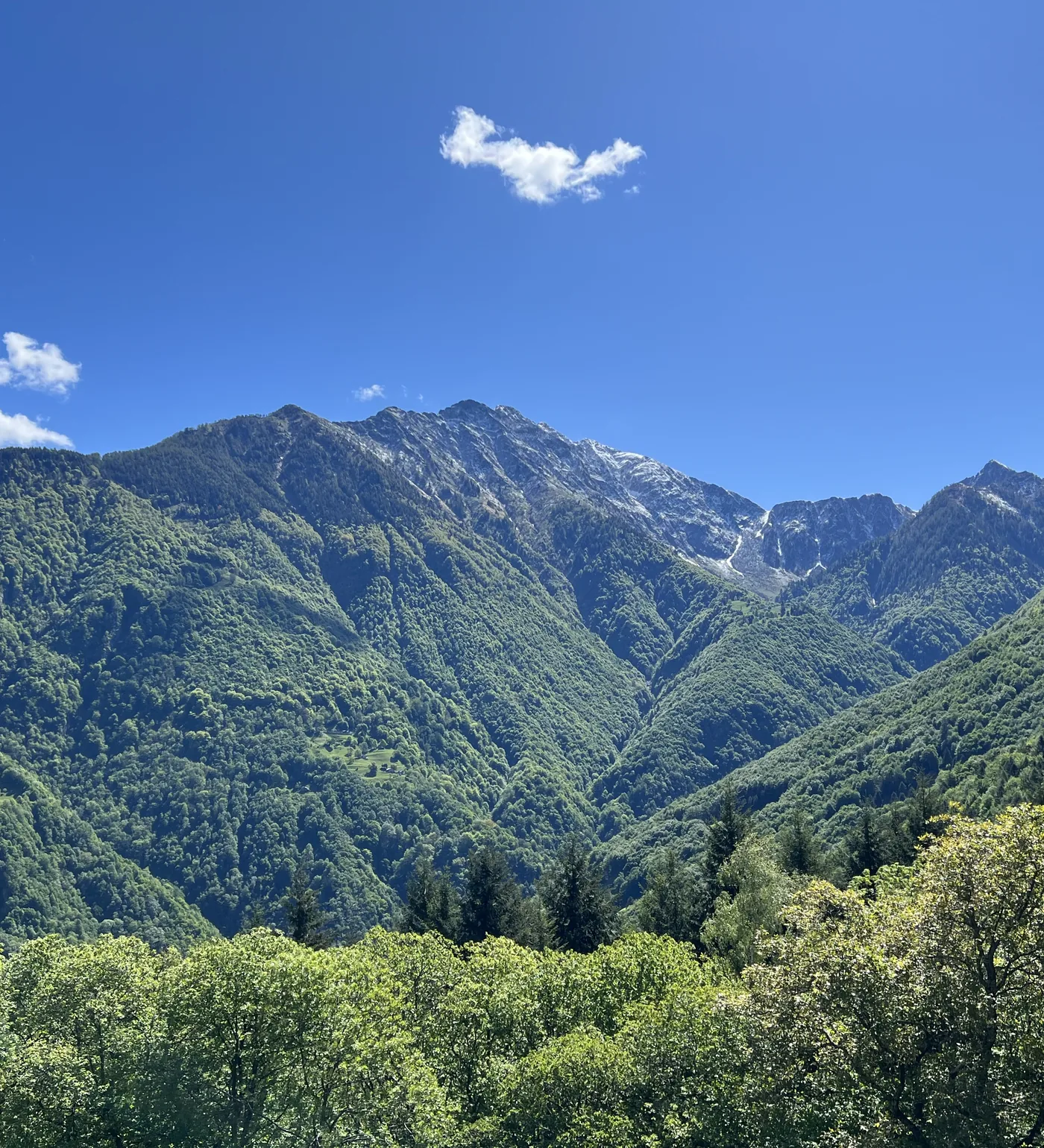
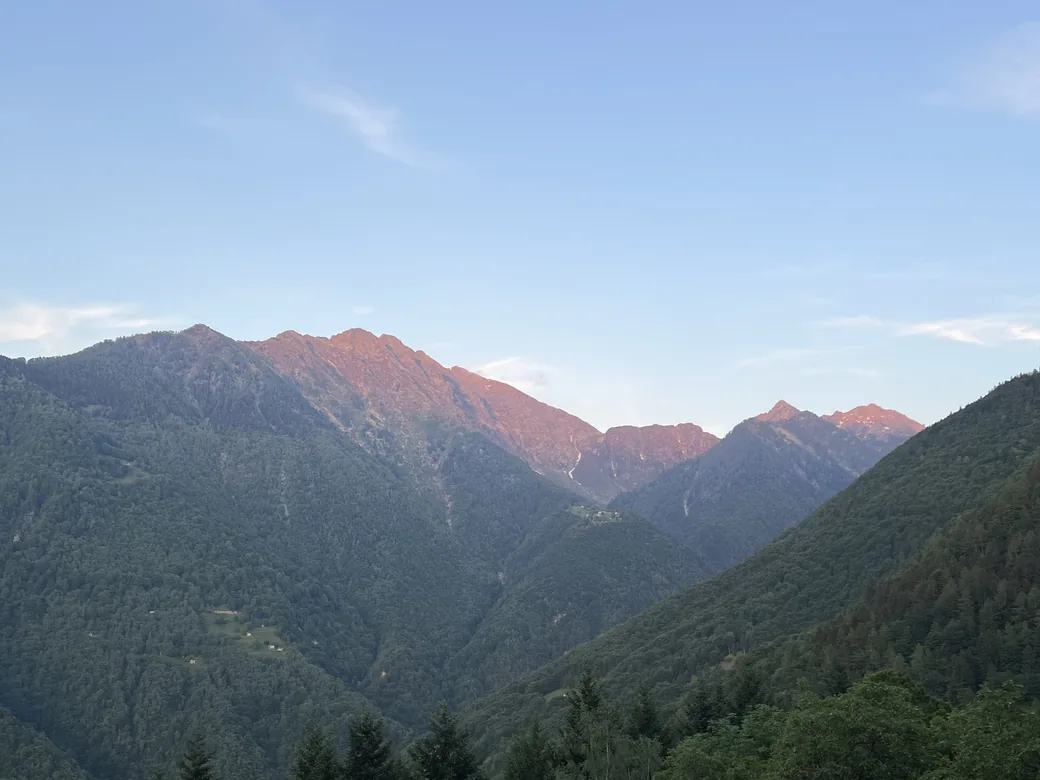
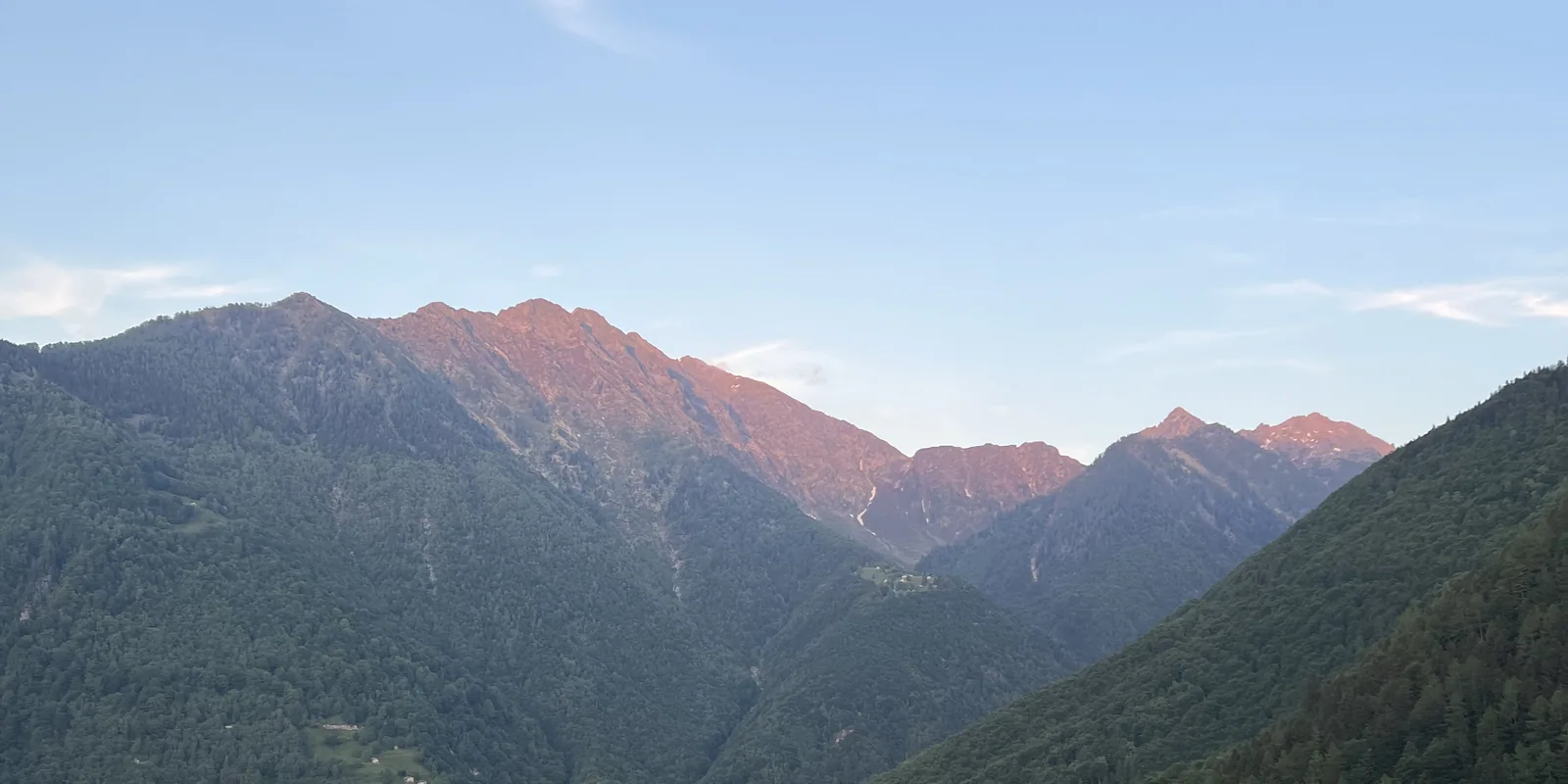
The Misox – in Italian Val Mesolcina – is the southernmost valley of the Grisons, 374 square kilometres between the Pizzo Tambò at 3,279 metres and the plain of San Vittore at 260 metres. It belongs to the Grisons but lies beyond the main Alpine ridge, and you notice that in the weather: in Grono, on 11 August 2003, 41.5 °C was recorded, the highest temperature ever officially measured in Switzerland.
Why that matters for honey
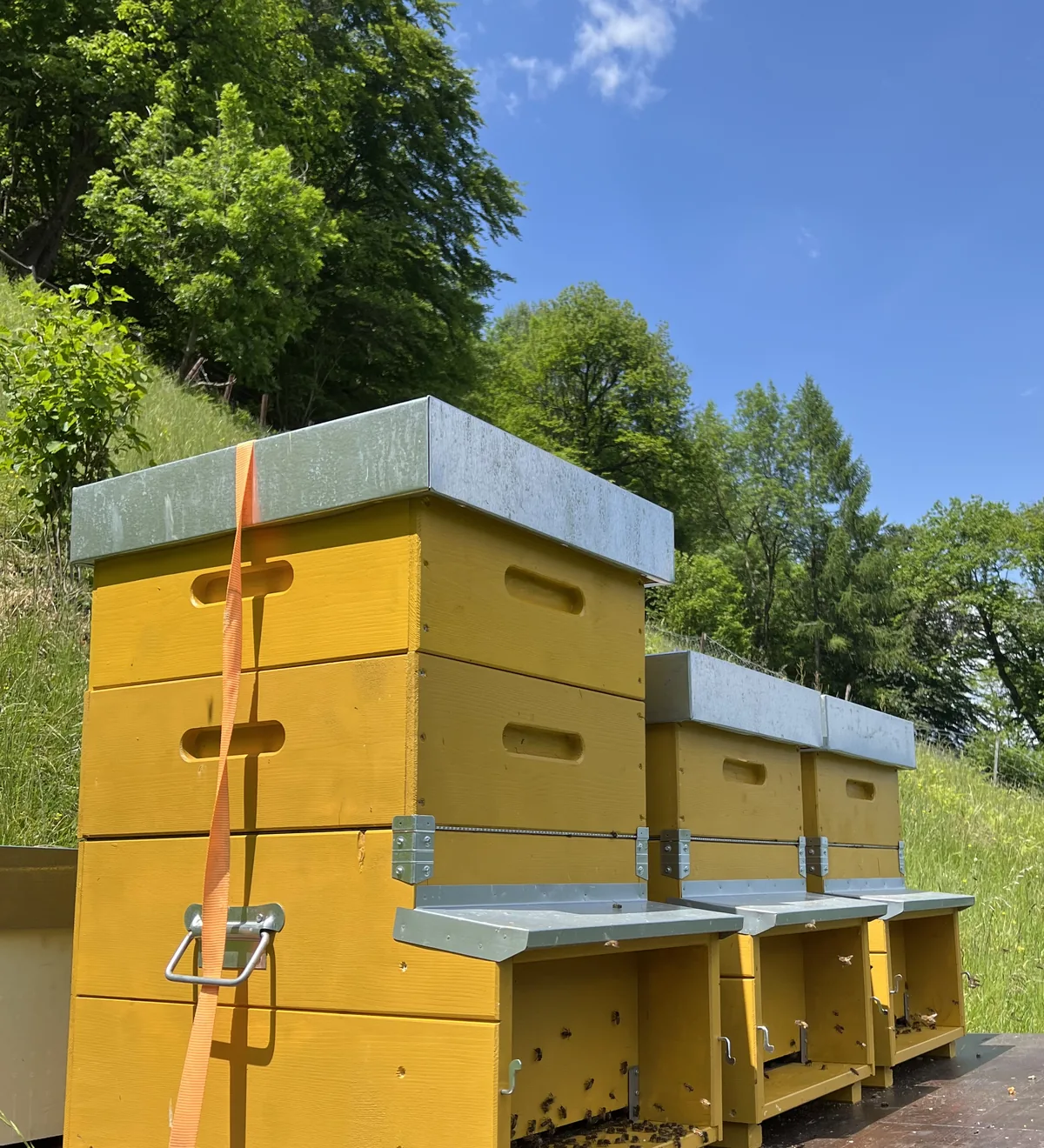
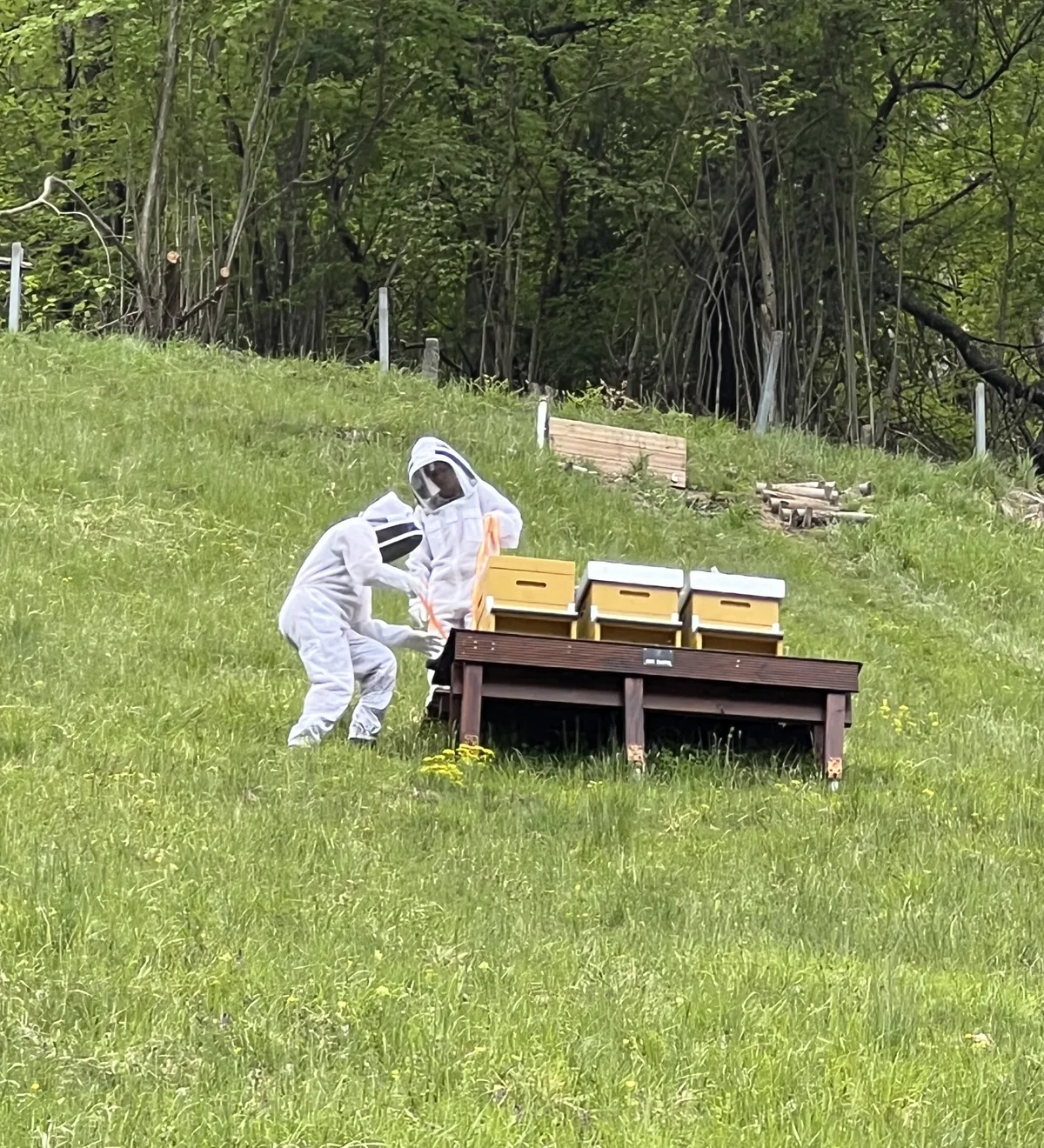
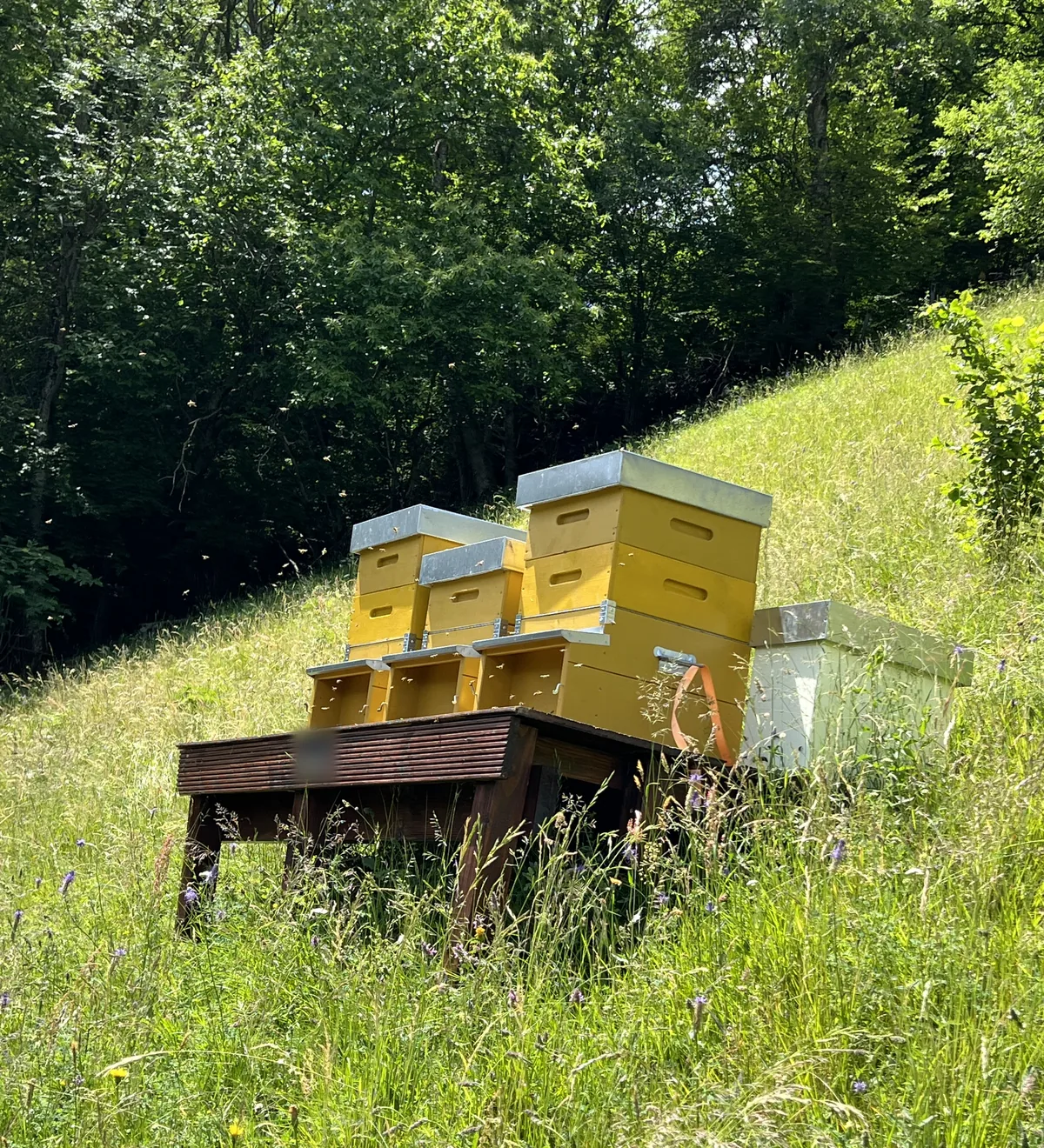
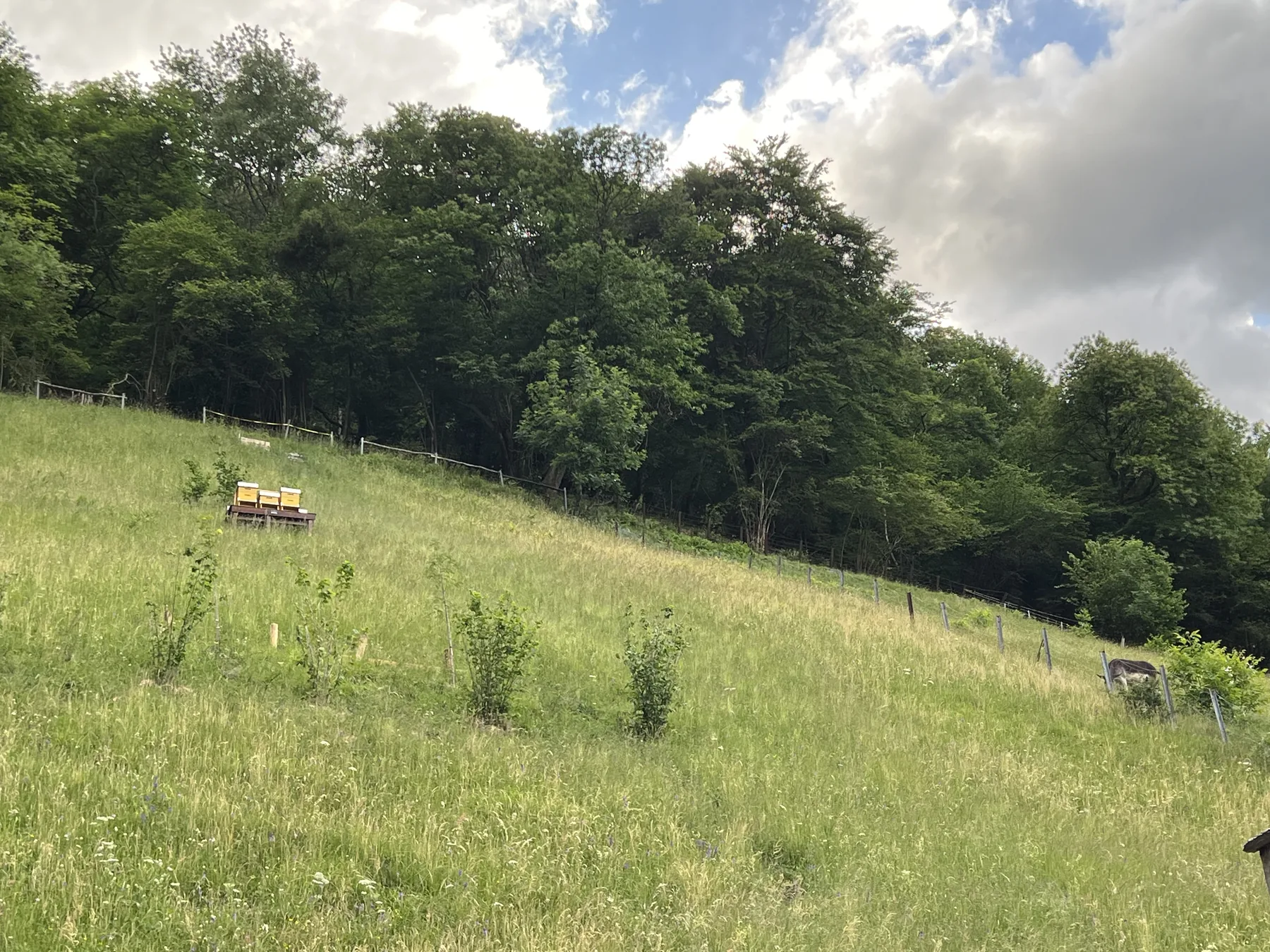
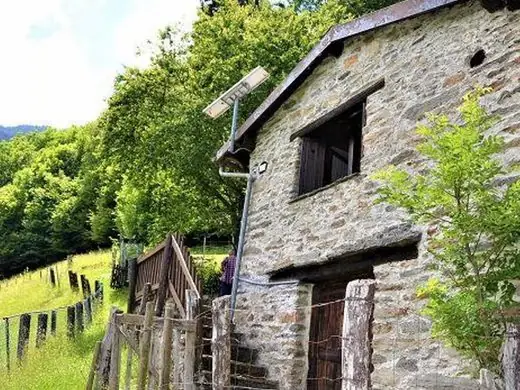
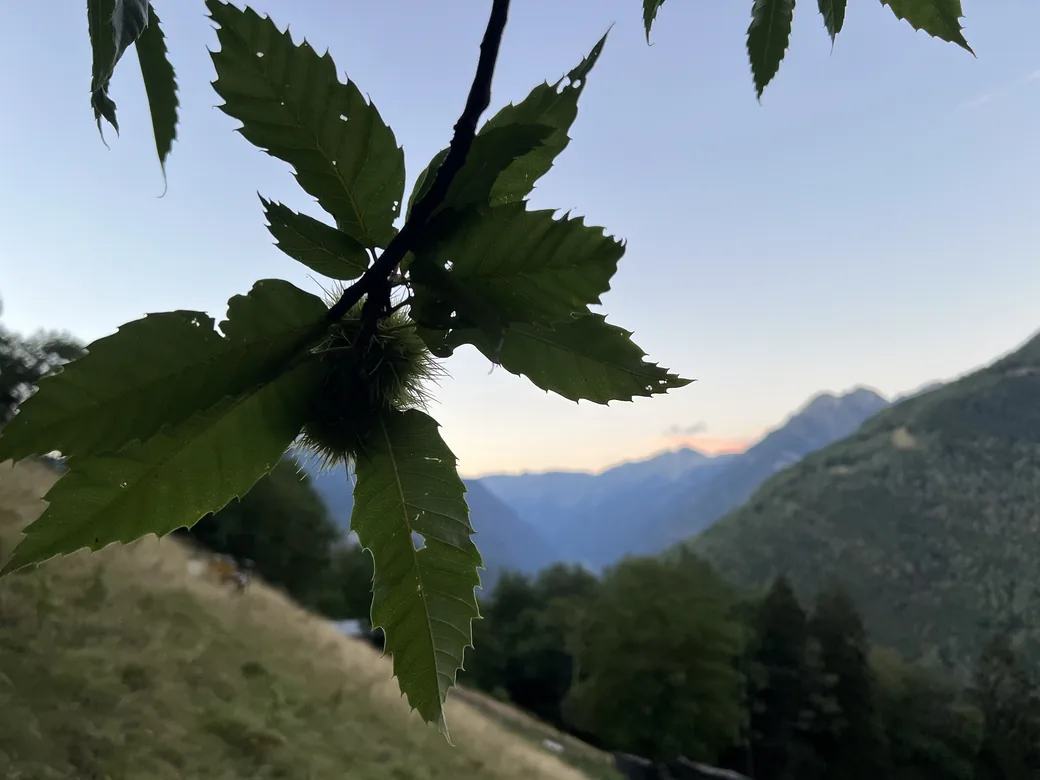
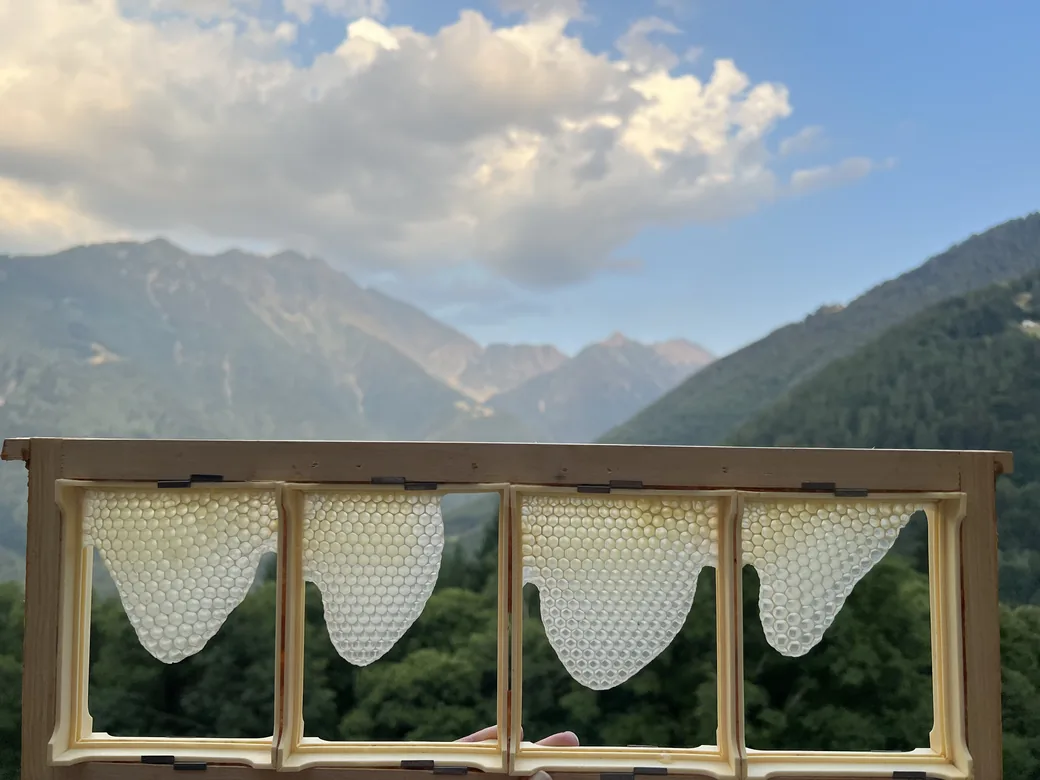
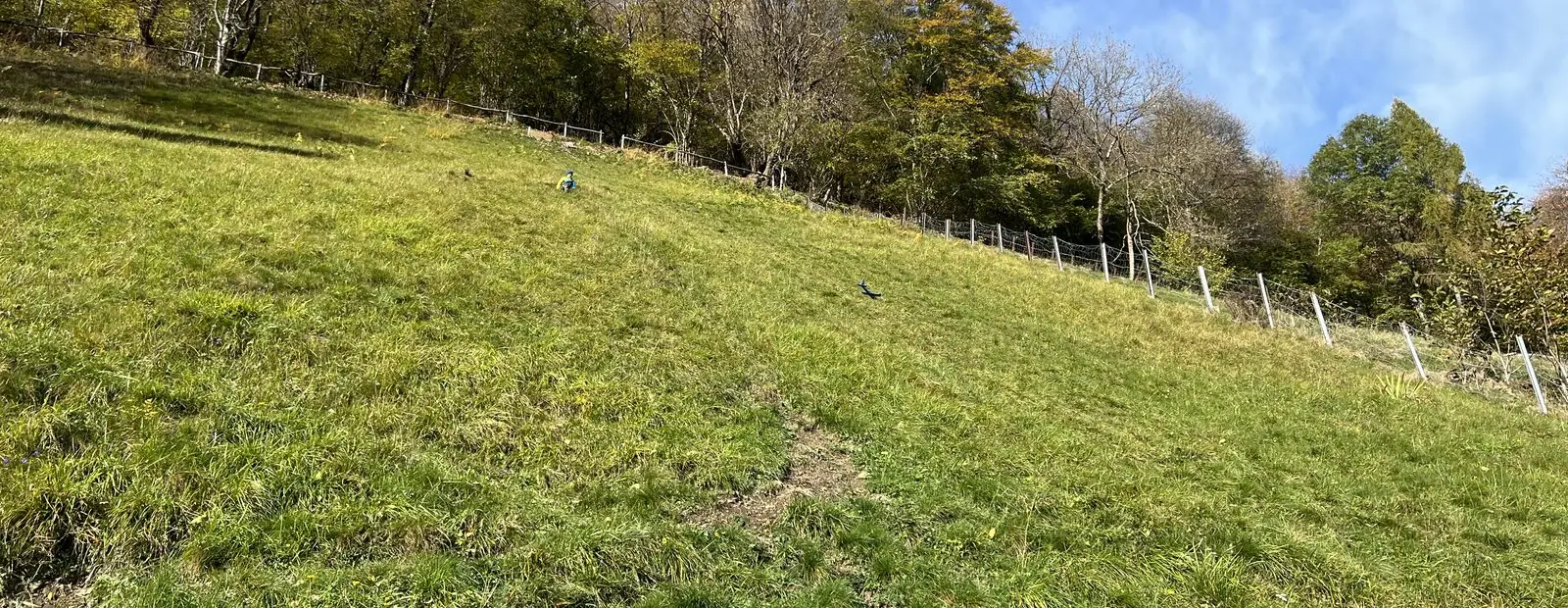
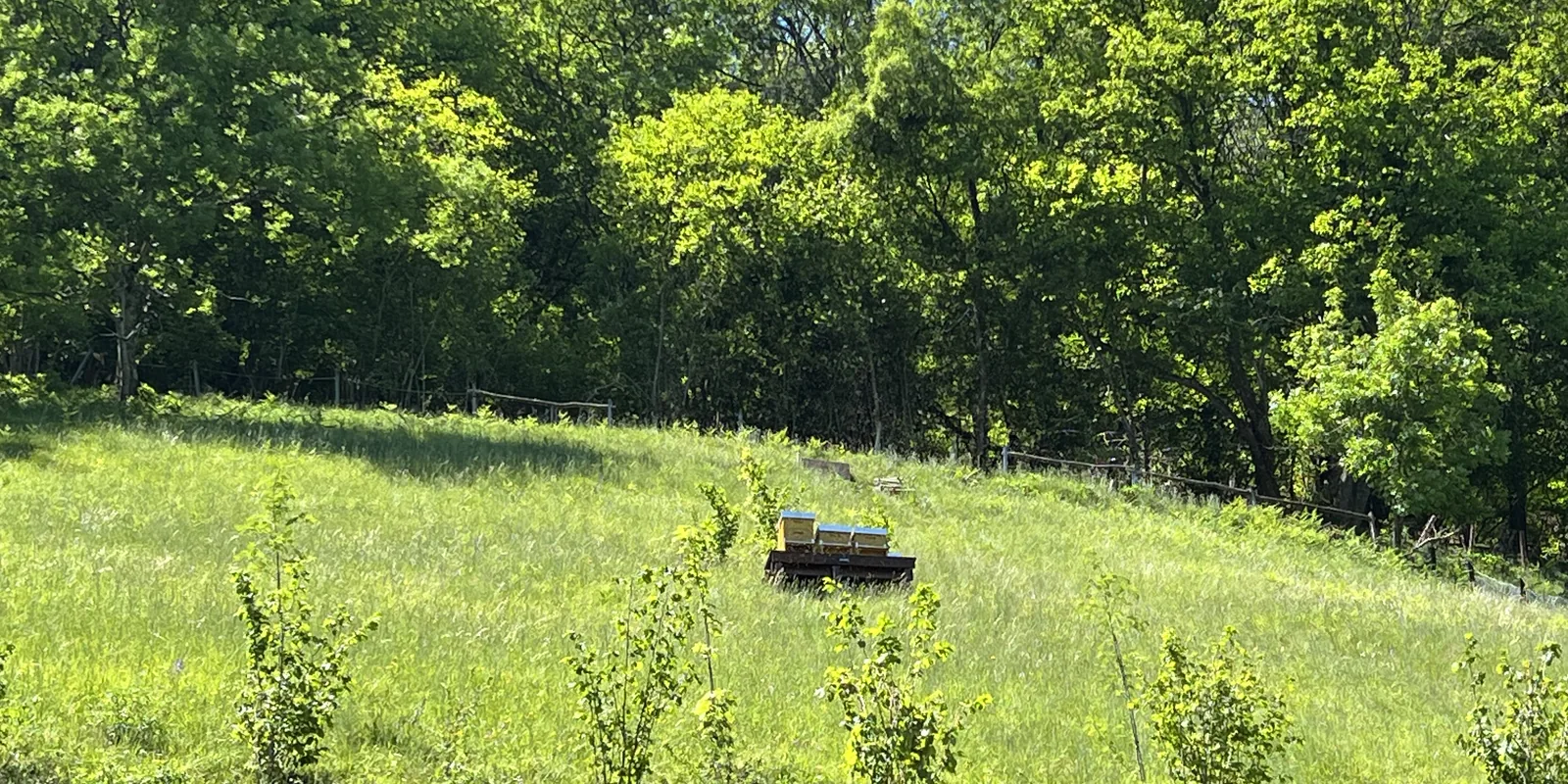
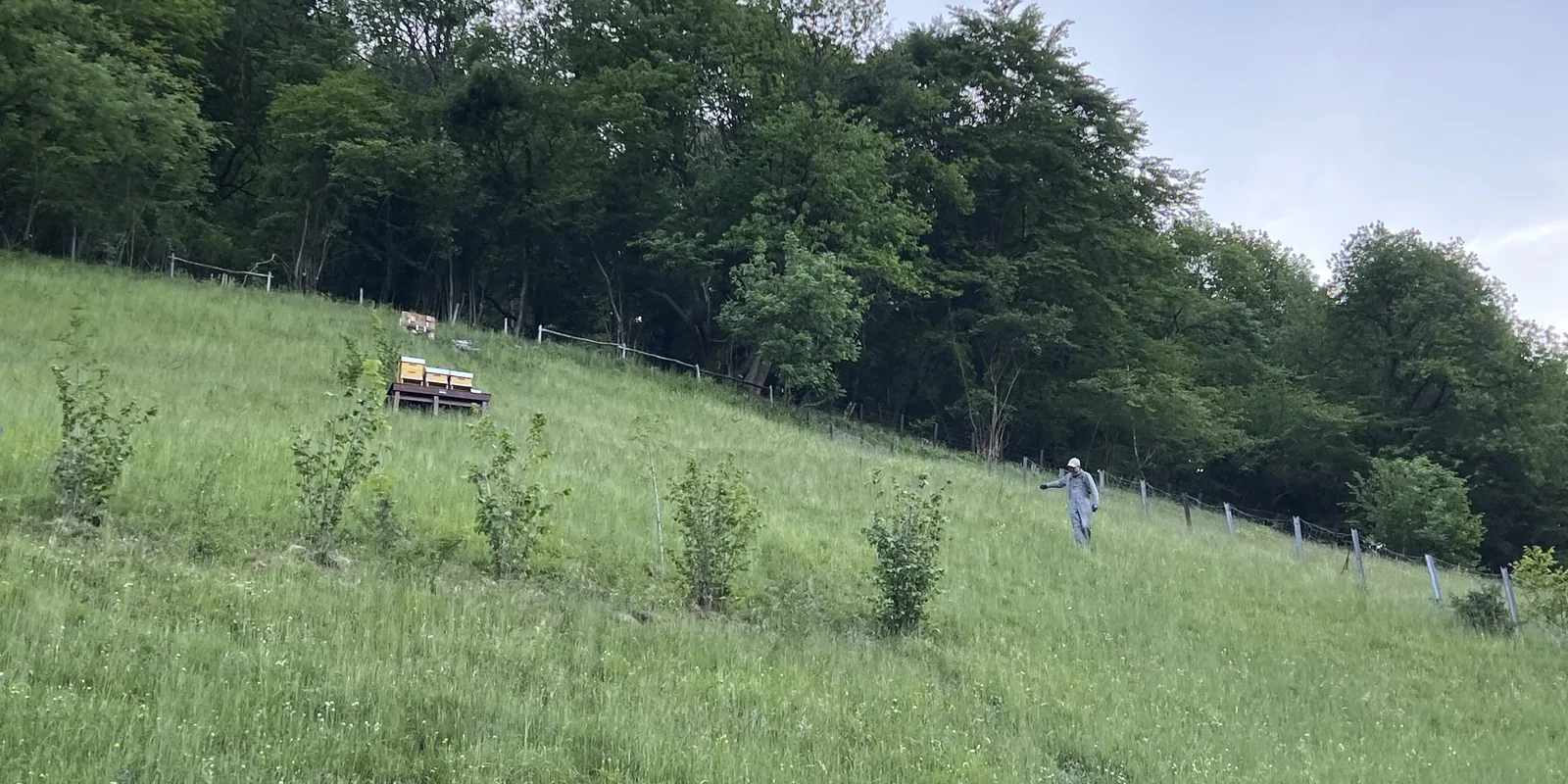
This warmth shifts the whole vegetation. Figs and vines grow on the valley floor, sweet chestnuts on the slopes – species that north of the Alps thrive only in favoured spots. Our apiary lies at 918 metres above this climate: warm enough for a long flowering season, high enough for mountain meadows.
Counts, Milan and 24,500 gold ducats
From the 12th century the von Sax family – in Italian de Sacco – ruled the valley from Mesocco castle. In 1480 Johann Peter von Sax sold his rights to the Milanese commander Gian Giacomo Trivulzio. In Roveredo he had the Palazzo Trivulzio renovated and a mint set up.
The valley people did not want that for good. Mesocco and Soazza joined the Grey League in 1480, the remaining communes on 4 August 1496. In 1549 the valley bought itself free for good: 24,500 gold ducats for the last seigneurial rights.
A poor valley that sent chimney sweeps, masons and stuccoists across half of Europe – and had their money sent back.
The valley that emigrated
A strong wave of emigration began as early as the late 15th century. Between 1500 and well into the 18th century, chimney sweeps, master builders, architects, stuccoists and painters left the Misox – above all for Austria and the German states. They came back in winter or sent money. Those who stayed lived off livestock, forest, meadow and chestnuts.
Roveredo itself is first documented in 1219, as de Regoredo. The name comes from the oak wood, and the communal coat of arms still shows a golden oak with roots, leaves and fruit. A village that names itself after its trees.
The road that changed everything – and the tunnel that brought back the quiet
From 1818 to 1822 the engineer Giulio Pocobelli built the pass road over the San Bernardino. From 1907 to 1972 an electric narrow-gauge railway ran up to Mesocco. In 1967 came the 6.6-kilometre road tunnel, in 1973 the A13 from Bellinzona to Chur – and with it the transit traffic straight through Roveredo.
Only in 2016 was the village bypassed: 5.6 kilometres of new route with a 2.3-kilometre tunnel. Since then it has been quiet again in the village centre. Up at Monte di Vif it always had been anyway.
1219First mention of Roveredo as «de Regoredo» – named after its oak wood.
1480Change of lordship: the von Sax sell to Gian Giacomo Trivulzio of Milan.
1496Into the Grey League: on 4 August the remaining communes of the valley join.
1549Buy-out of the last seigneurial rights for 24,500 gold ducats.
from 1500Emigration: chimney sweeps, master builders and stuccoists leave for Austria and Germany.
1822Pass road over the San Bernardino, built by Giulio Pocobelli.
1907Narrow-gauge railway up to Mesocco – until it closed in 1972.
200341.5 °C in Grono – Swiss heat record, measured on 11 August.
2016Roveredo bypass: the transit traffic disappears from the village.